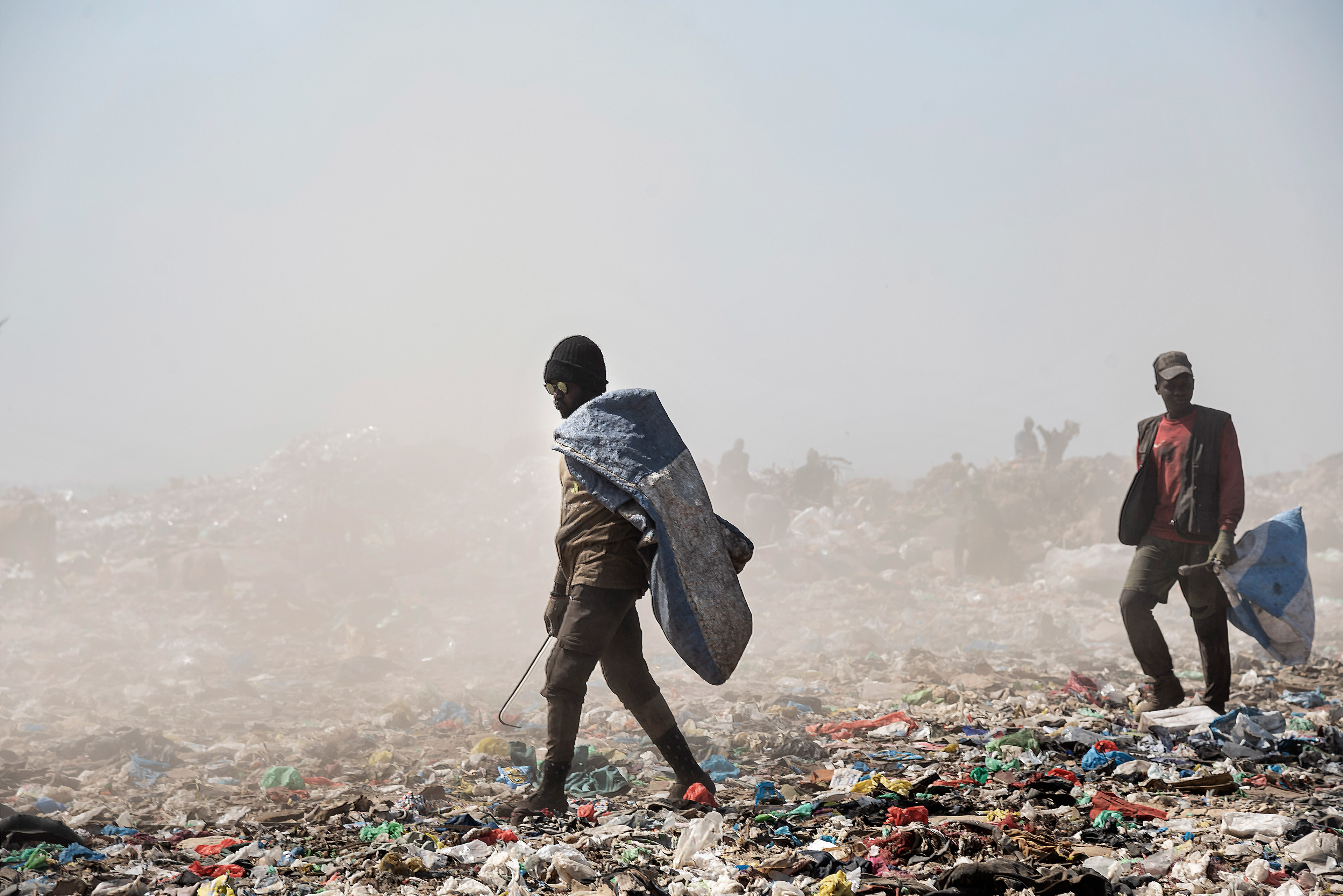
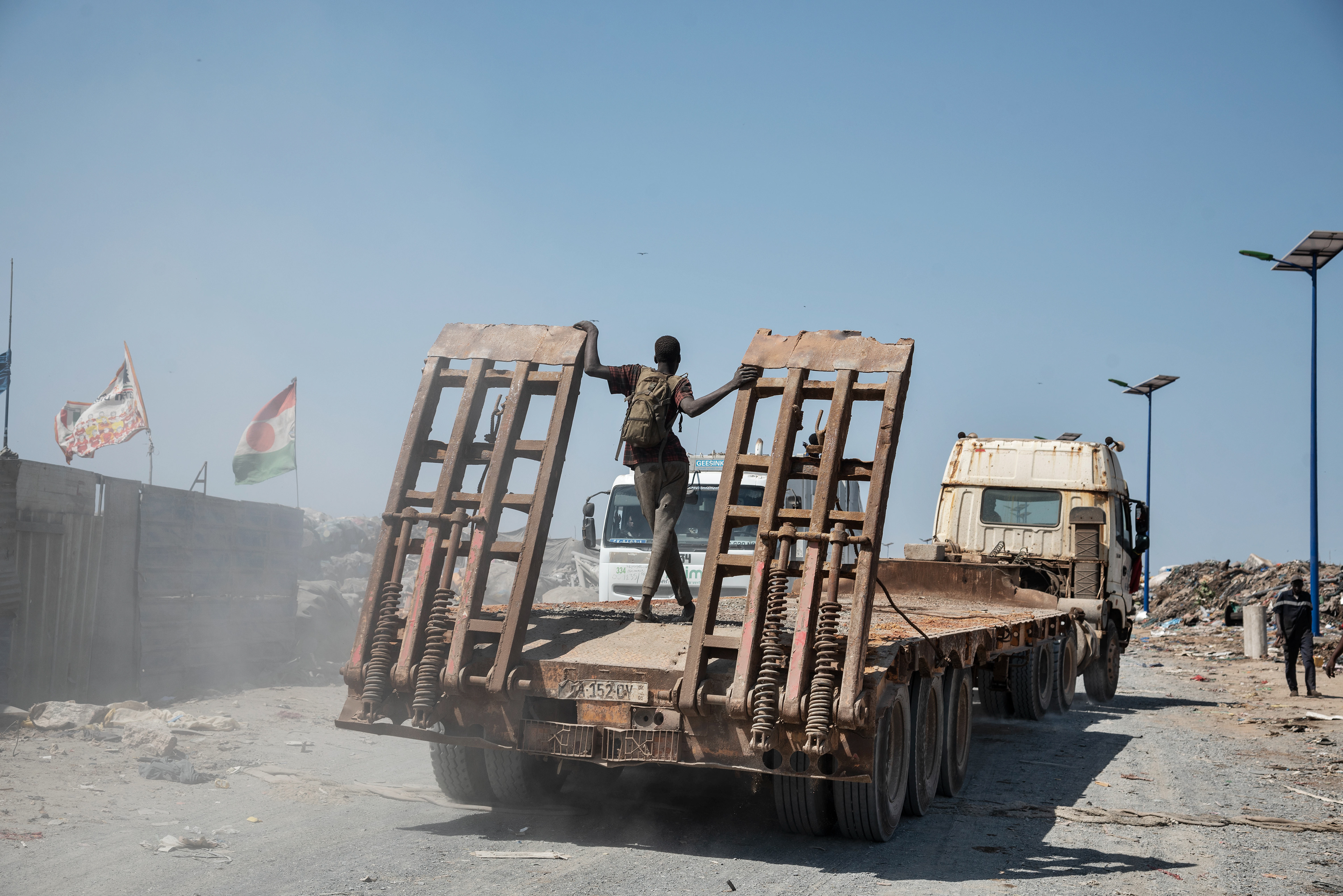
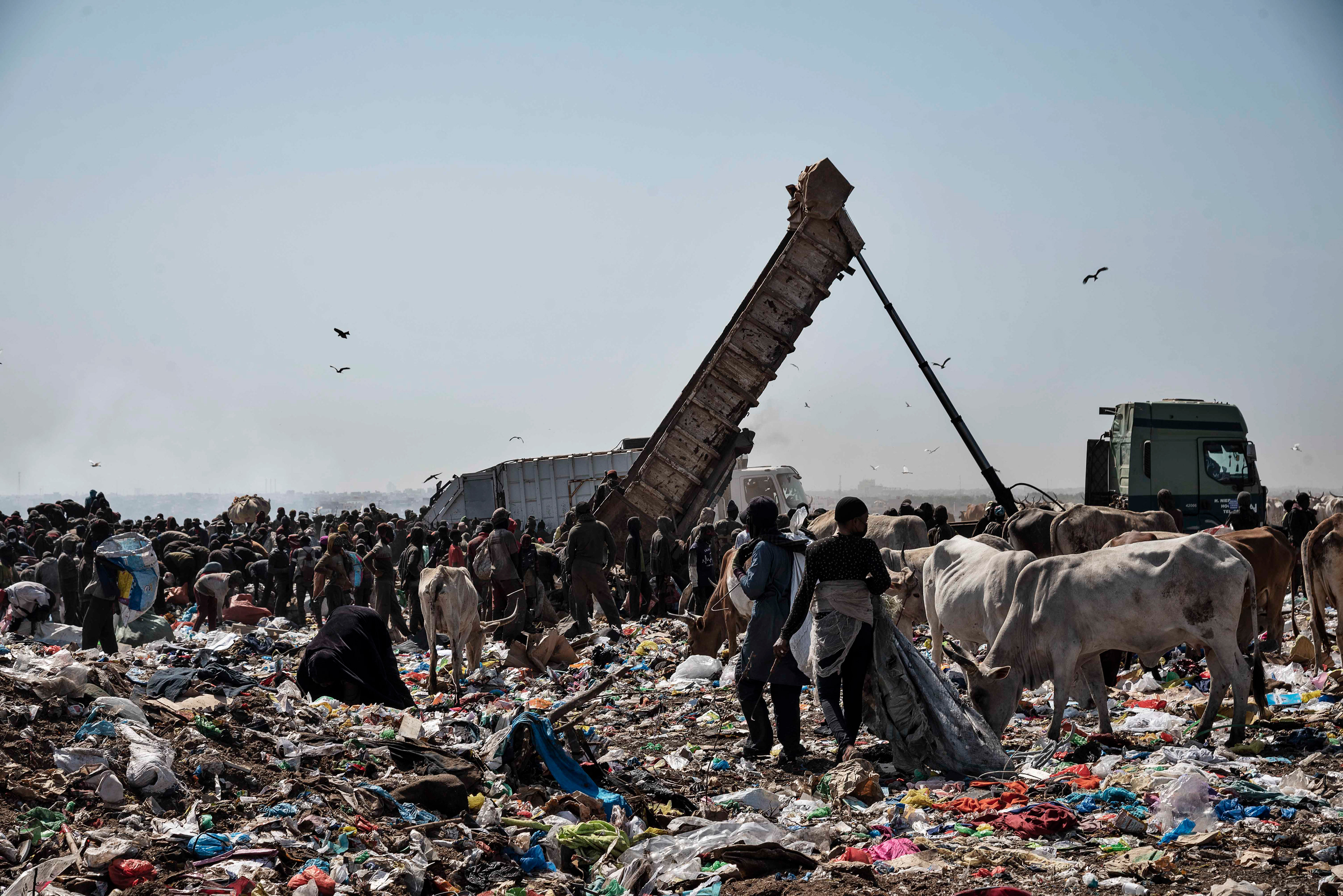
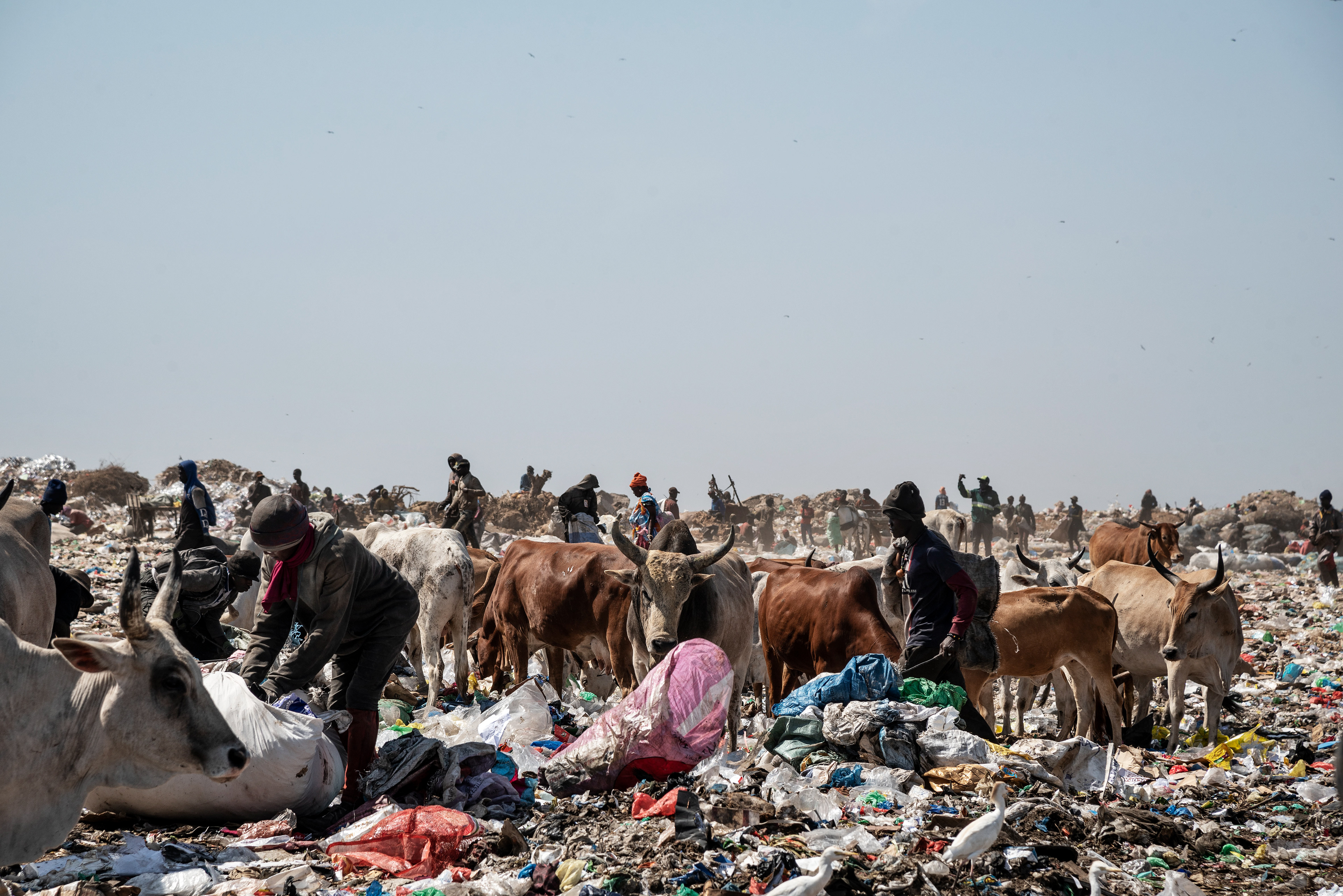
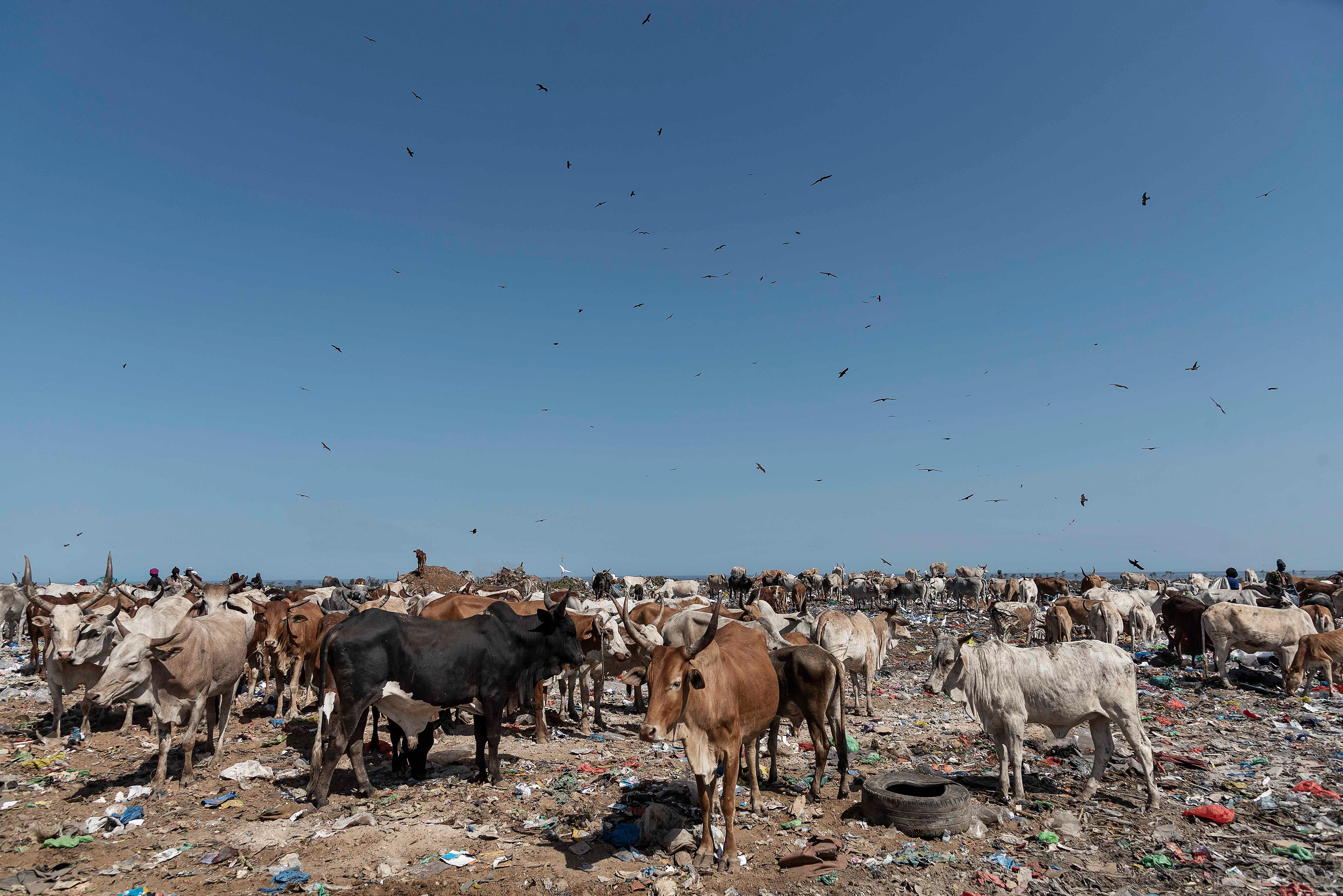
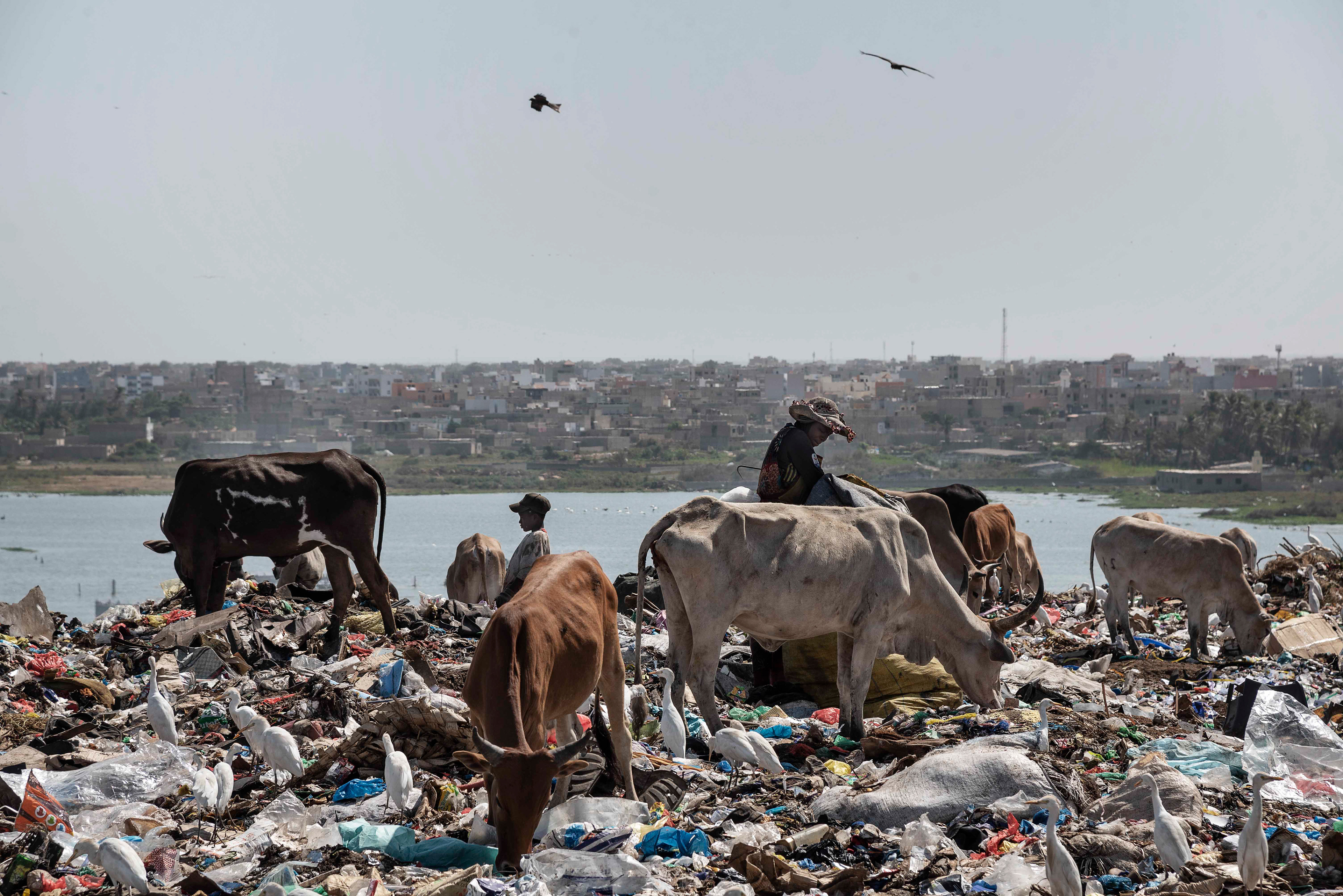
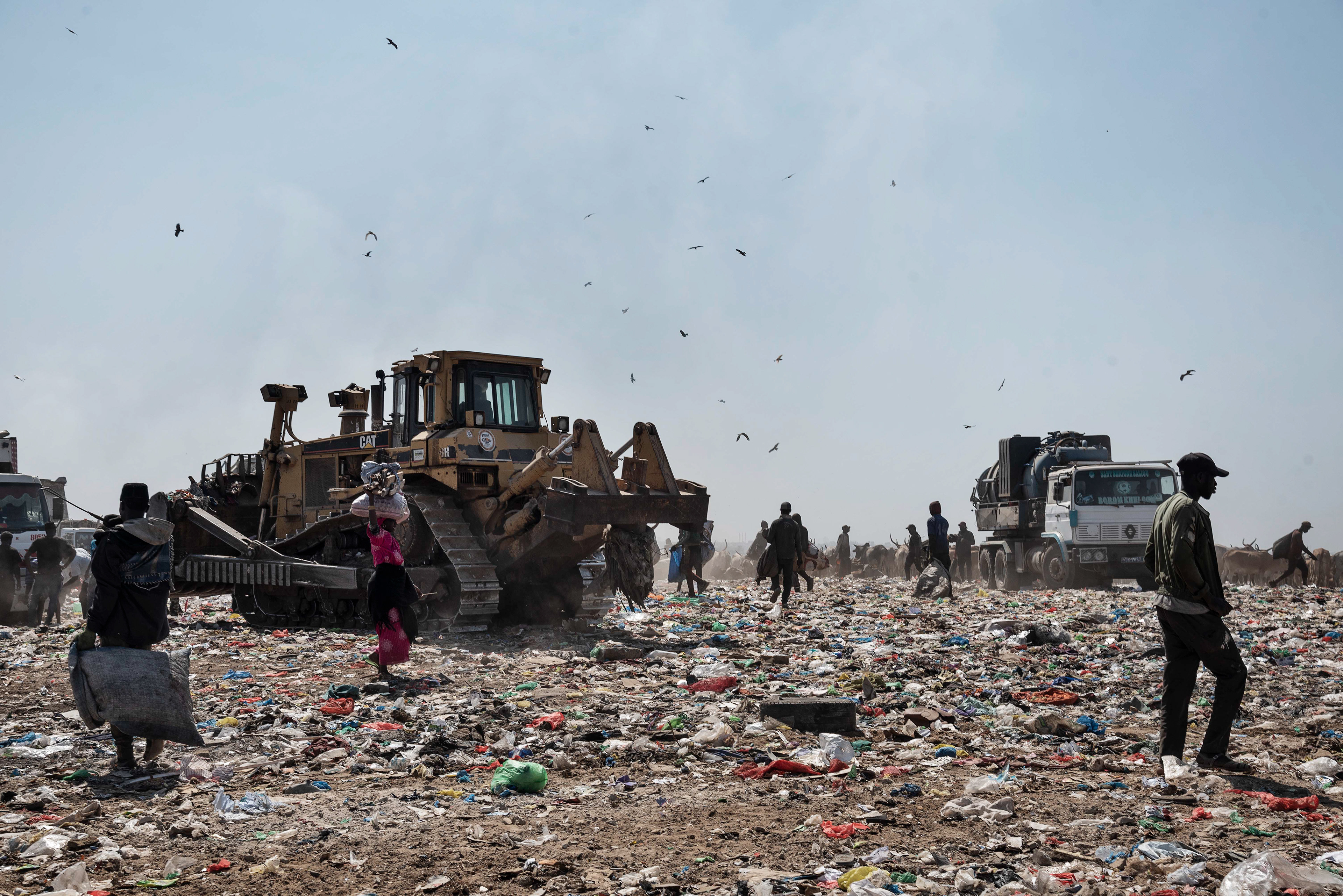
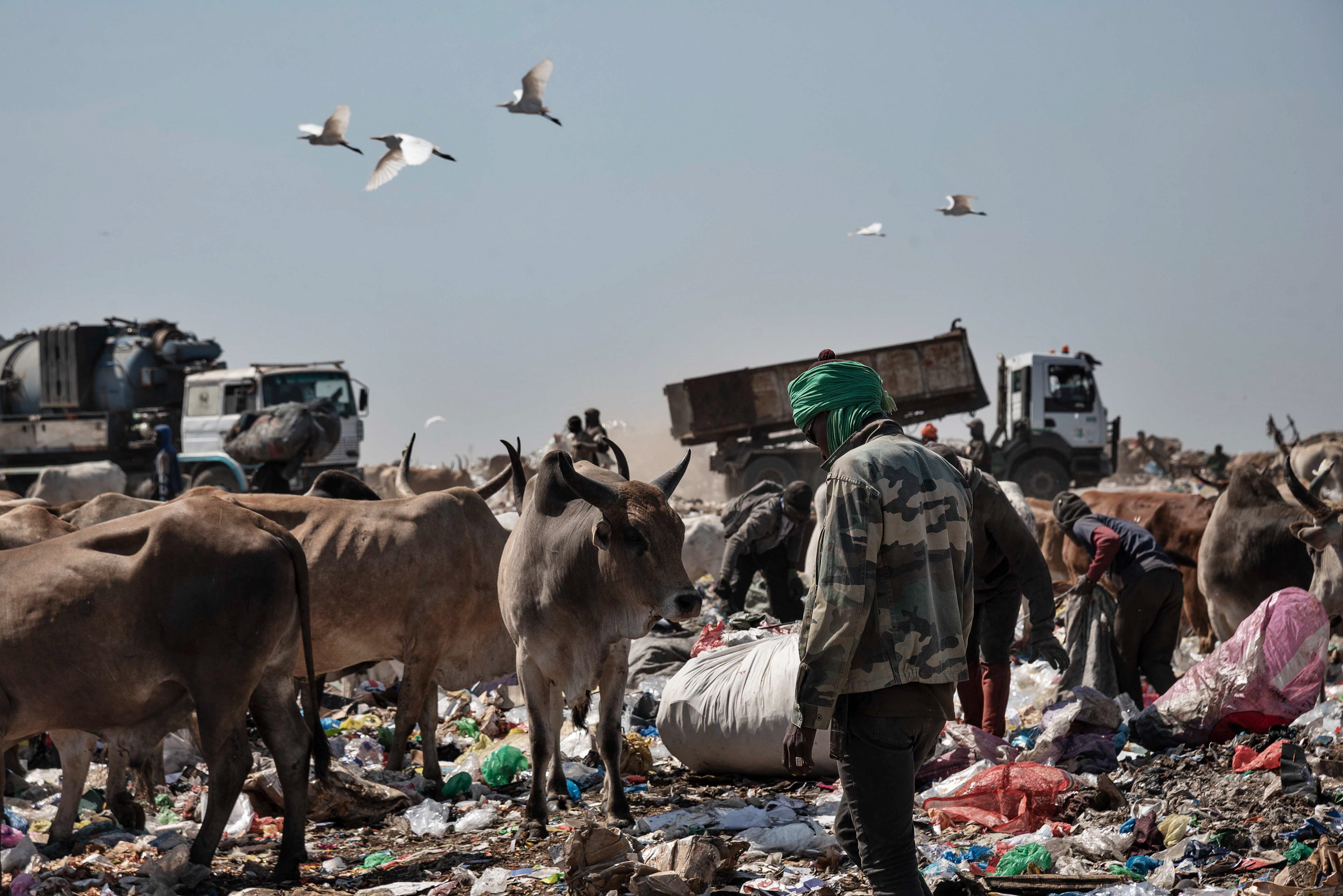
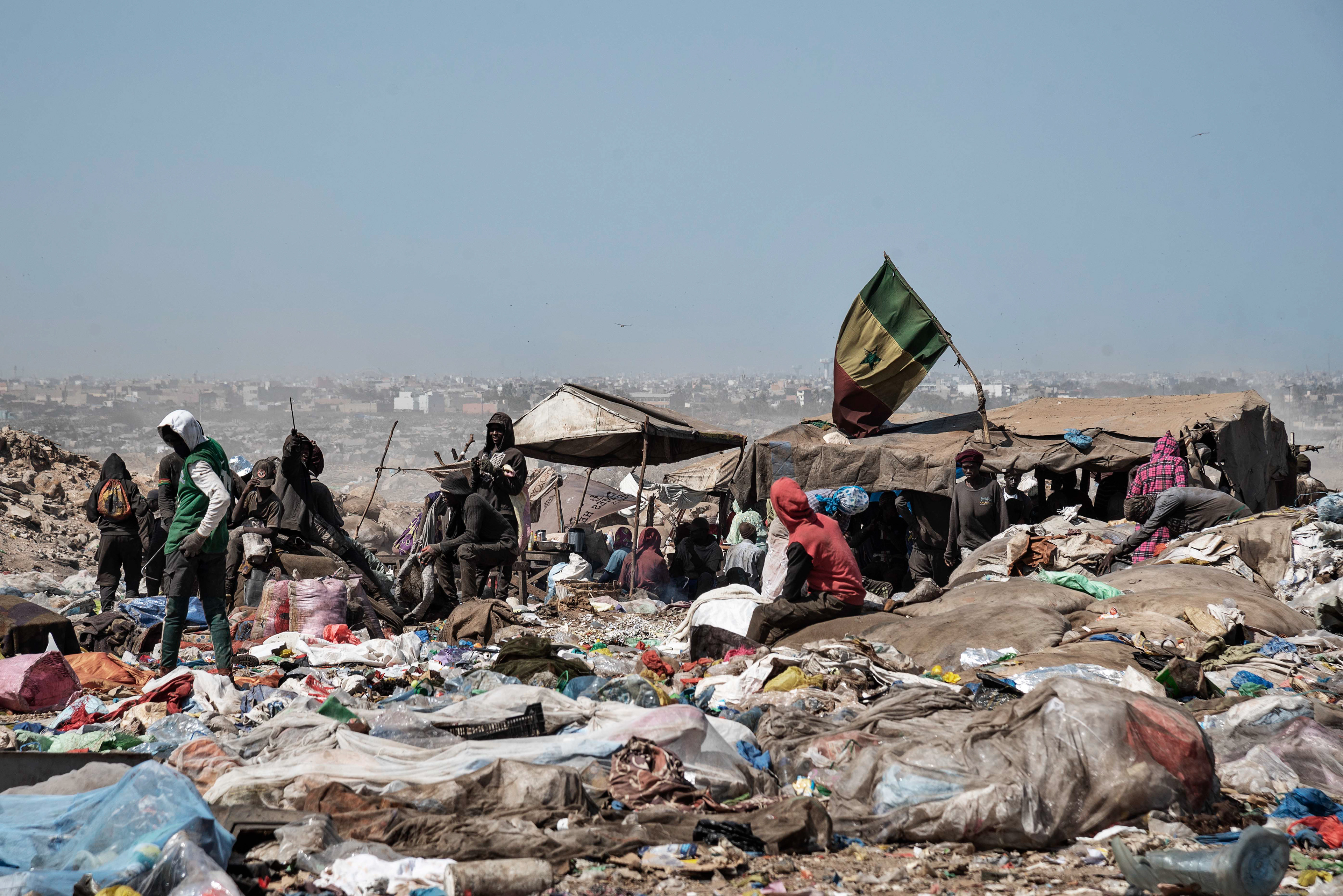
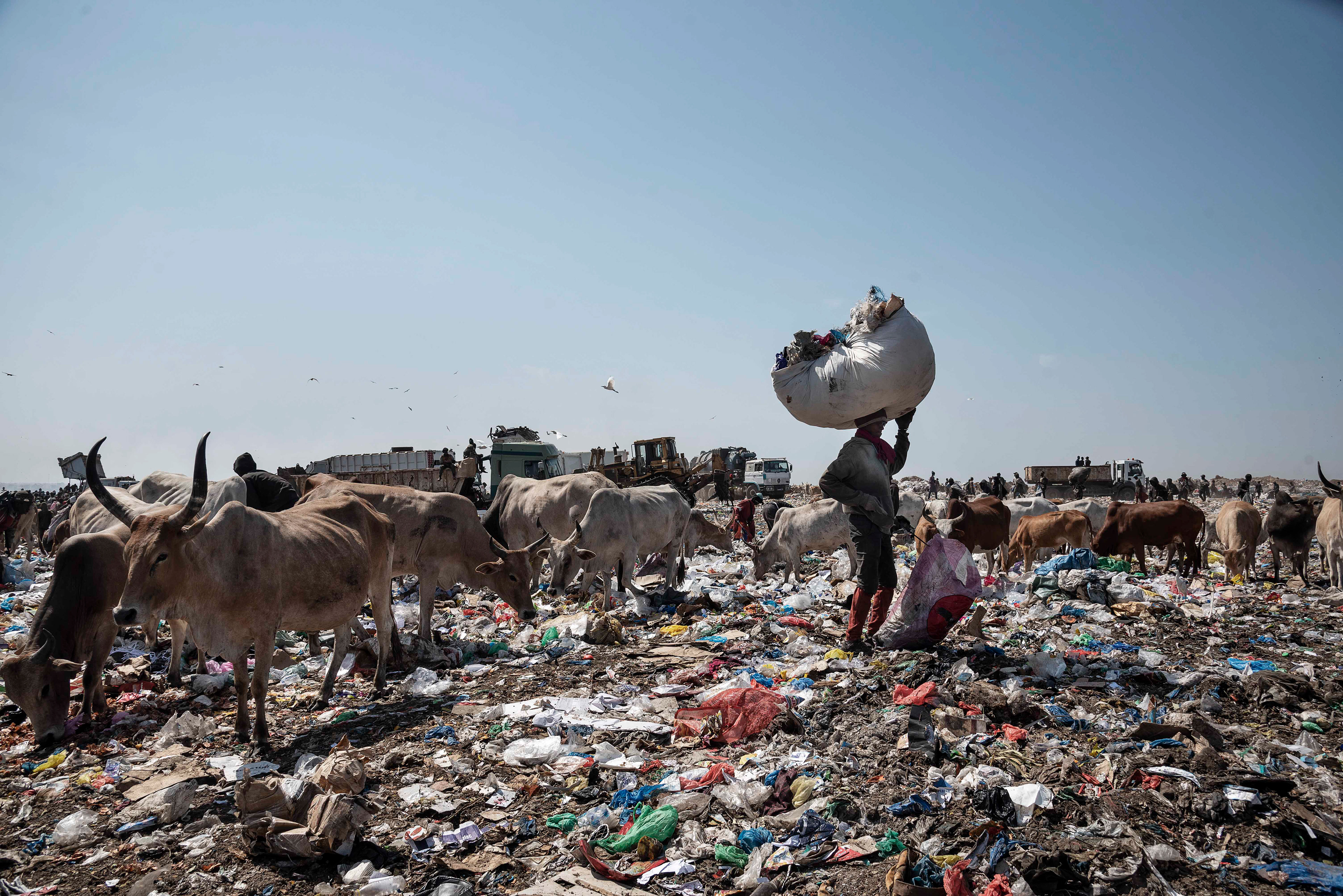
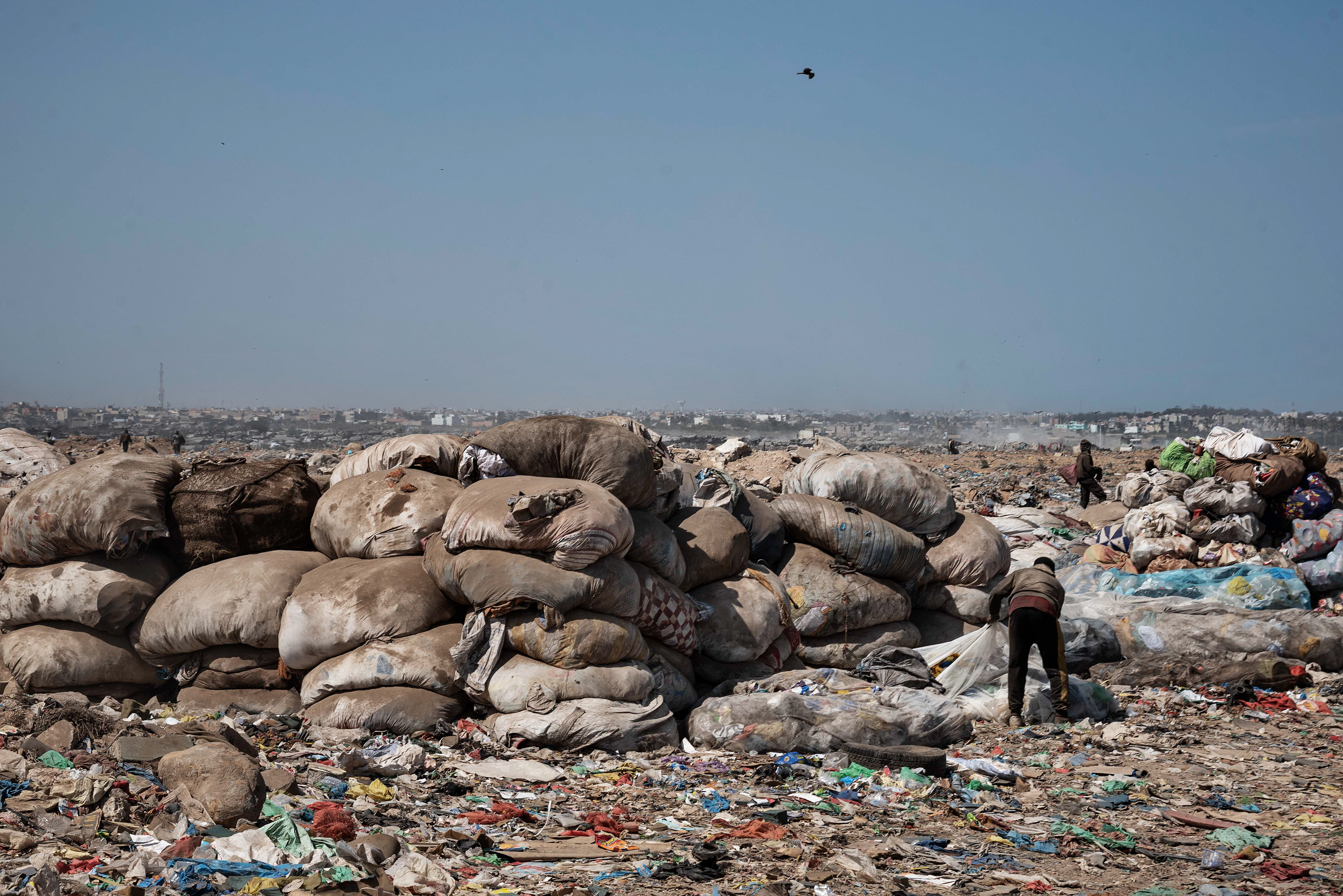
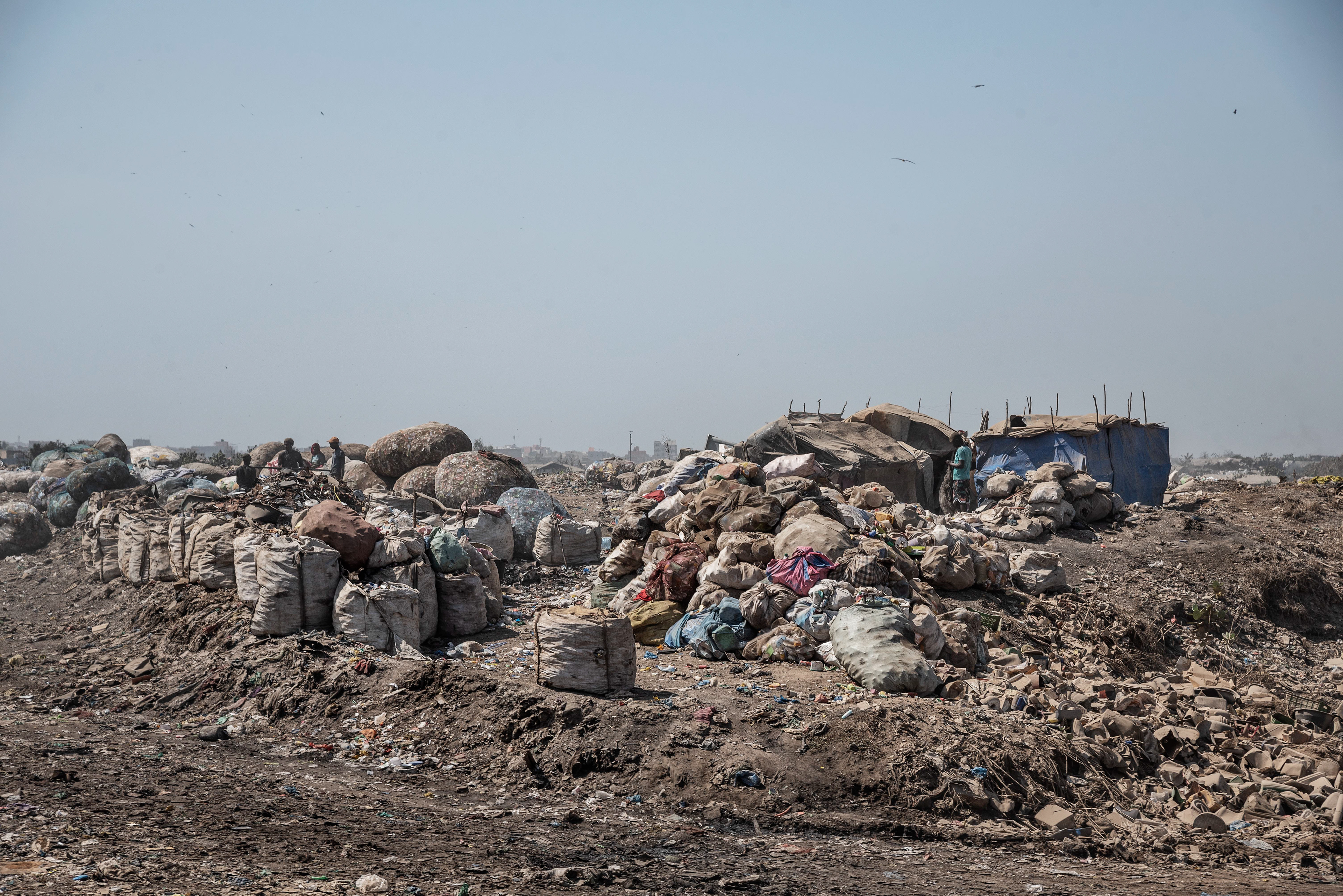
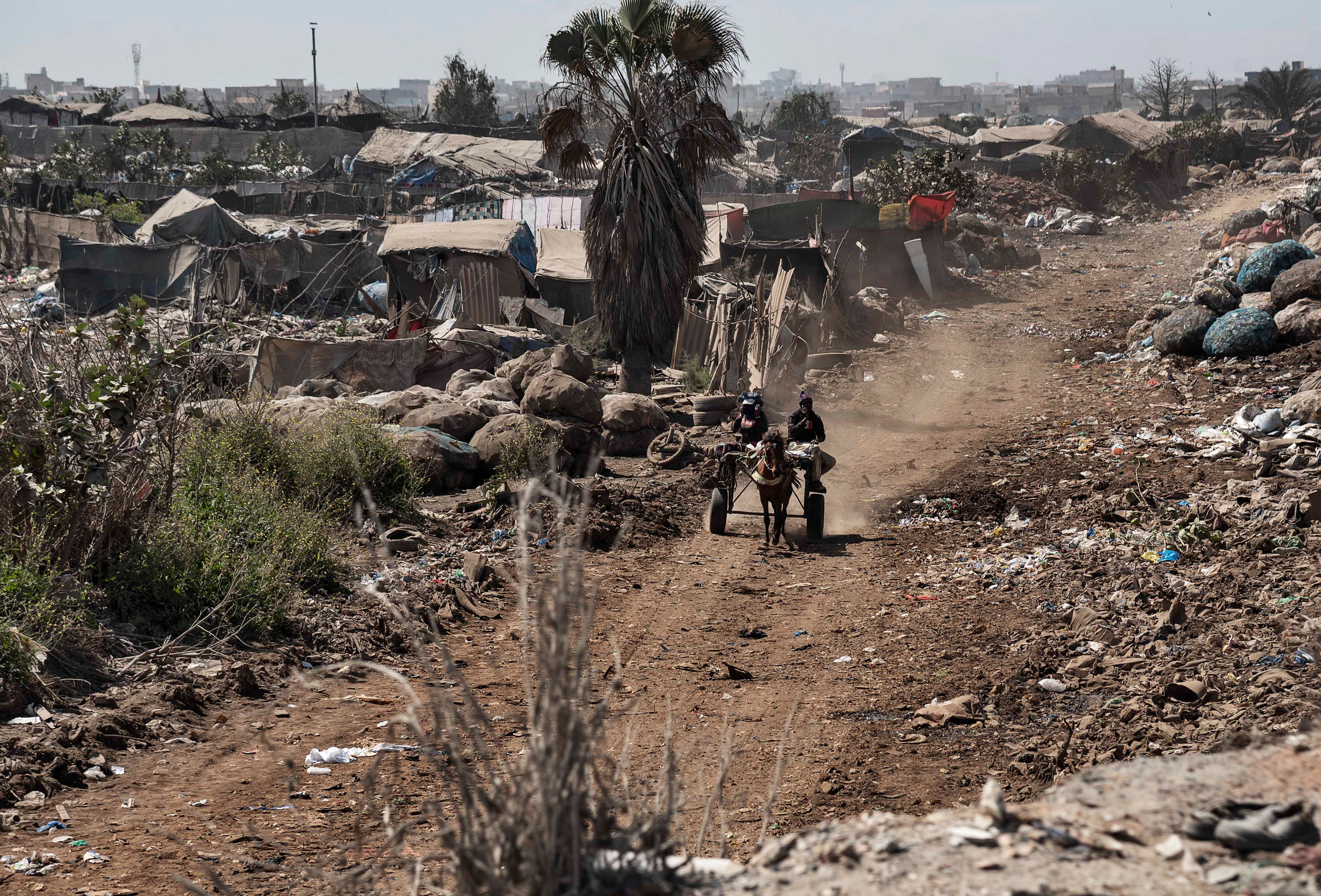
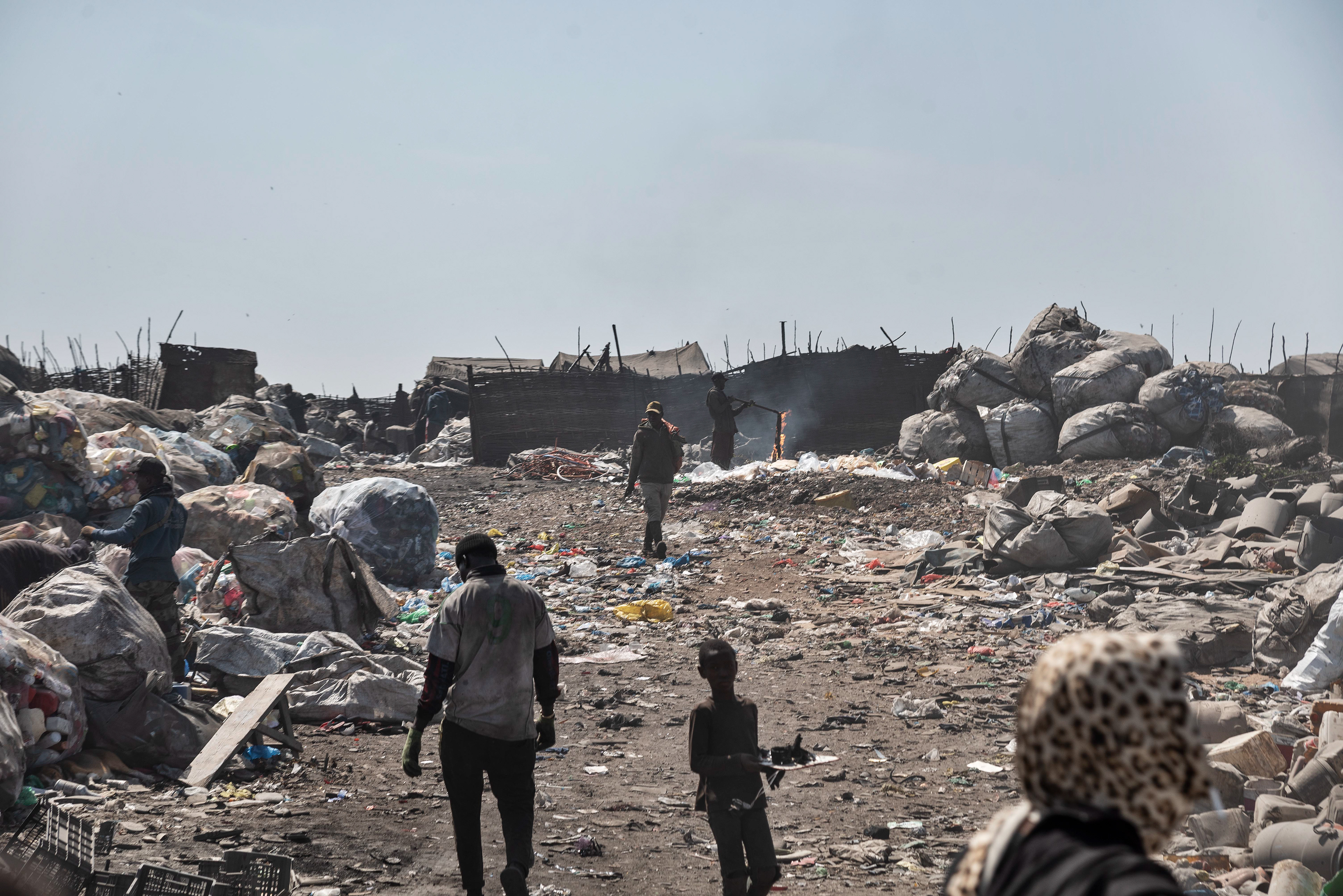
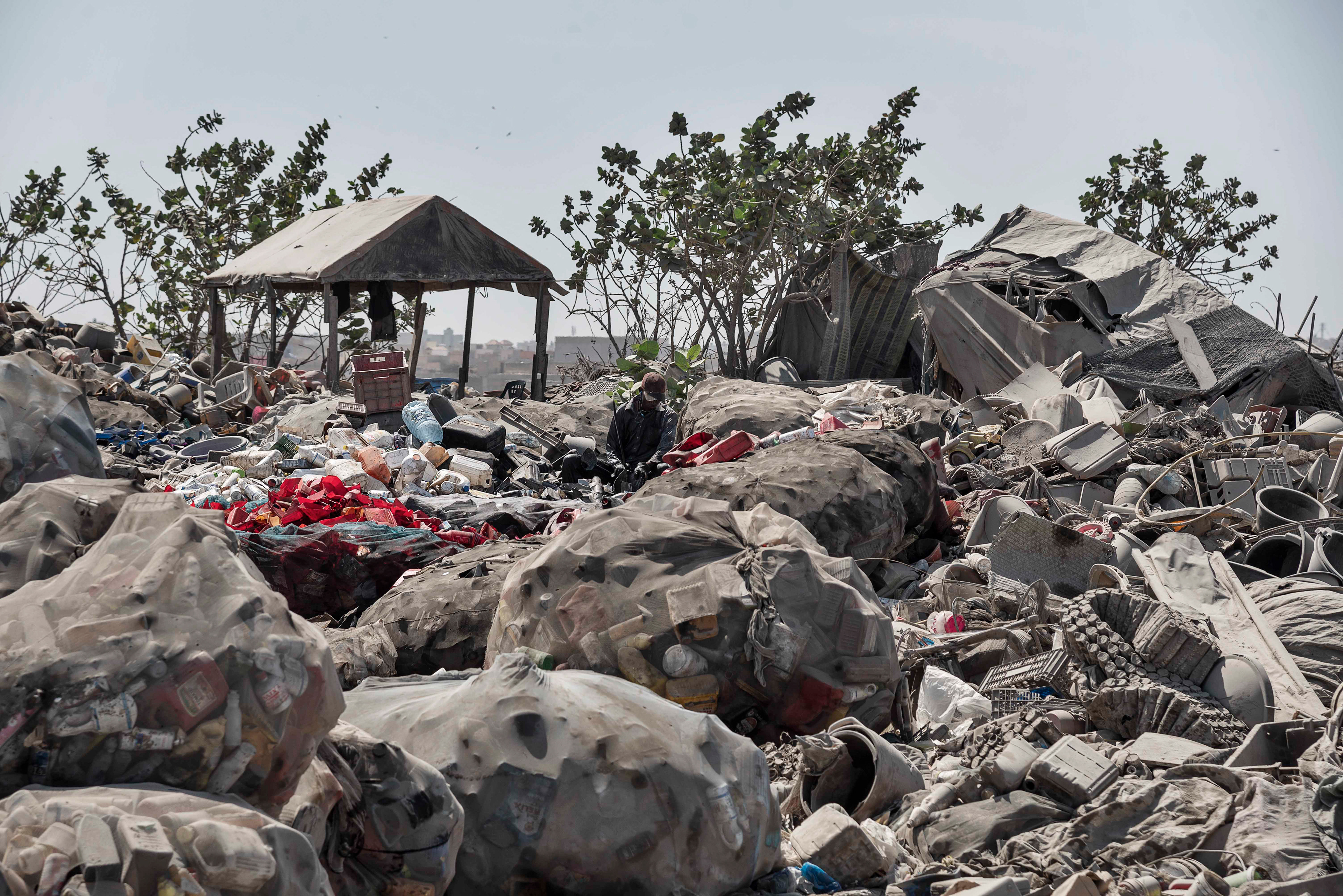
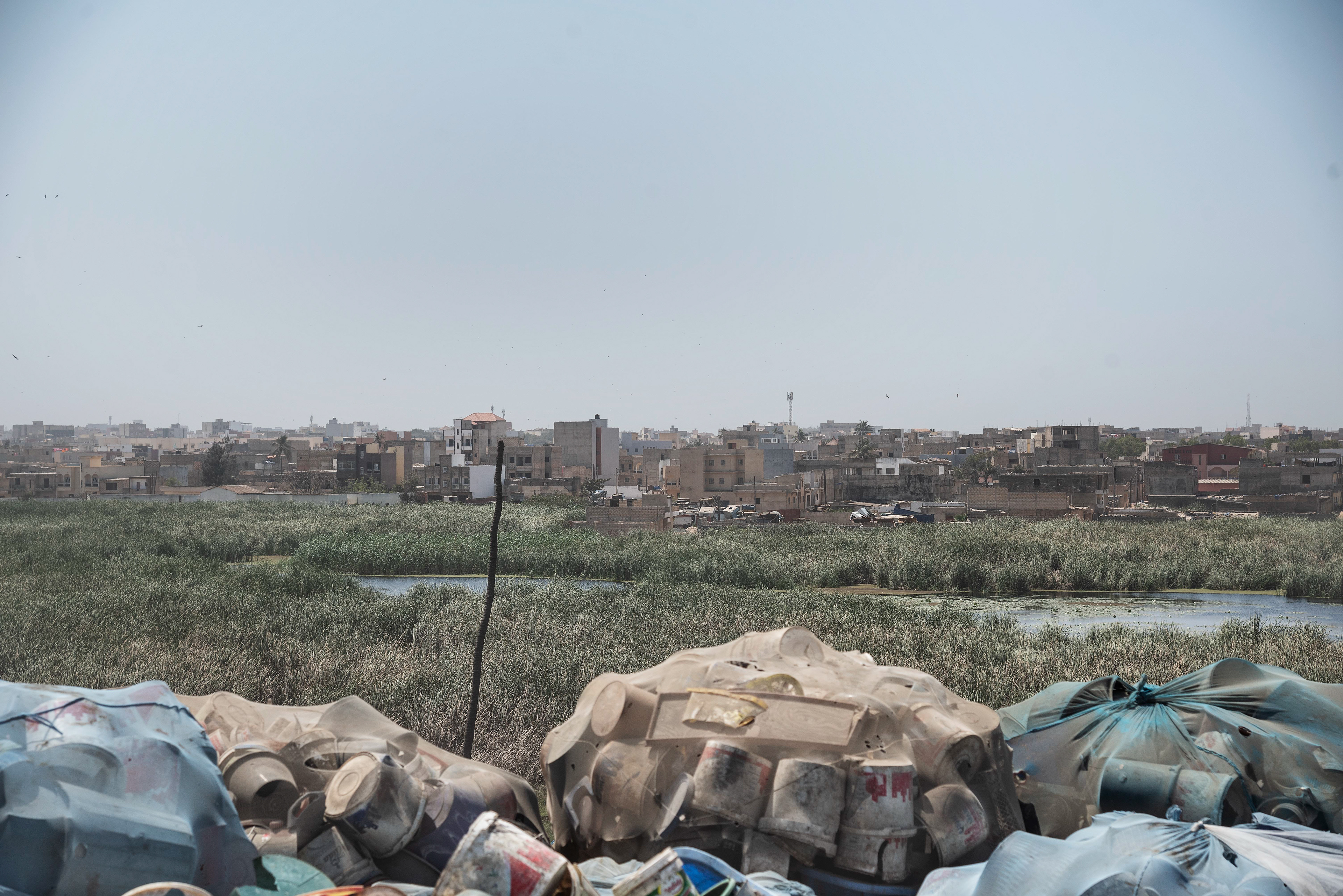
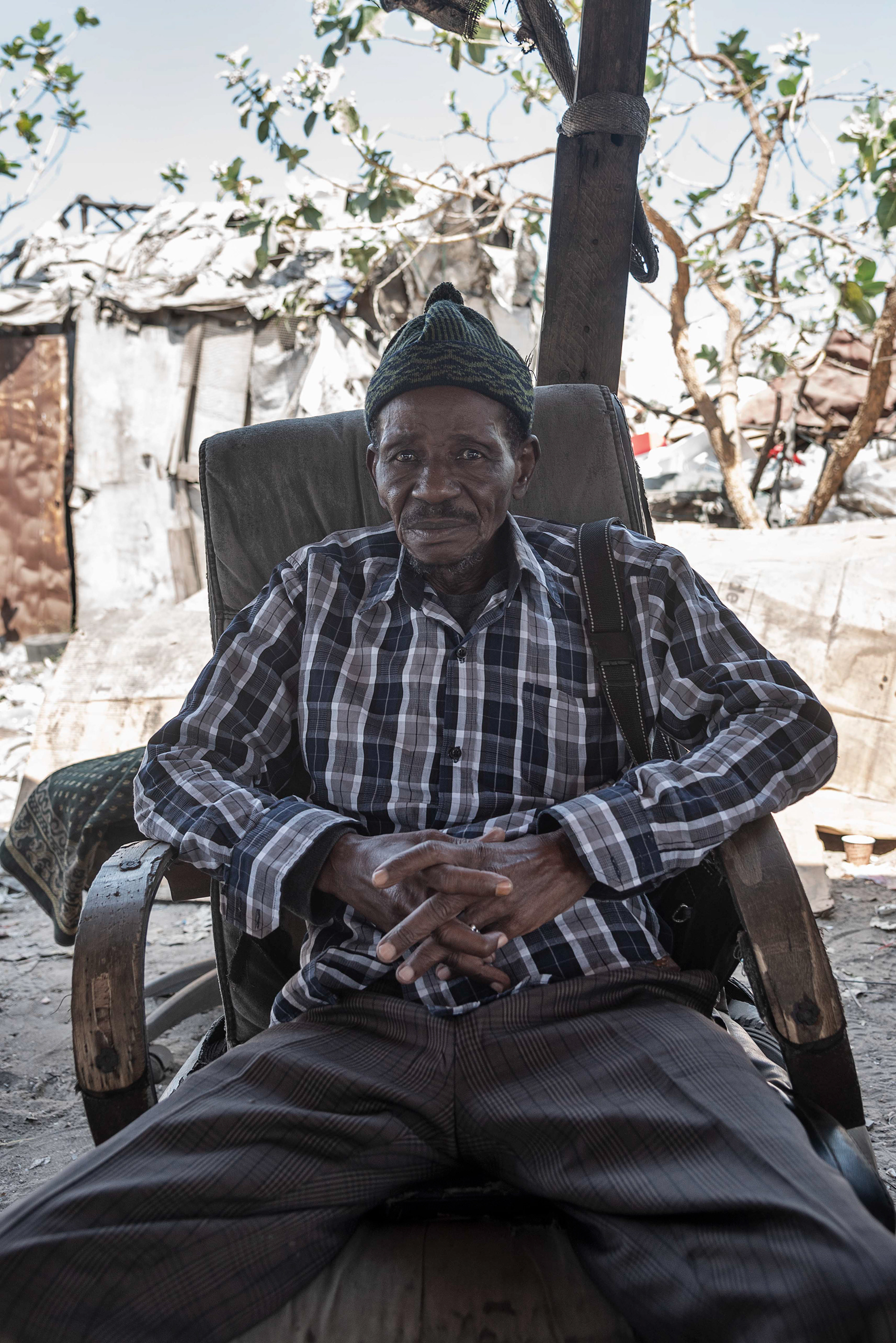
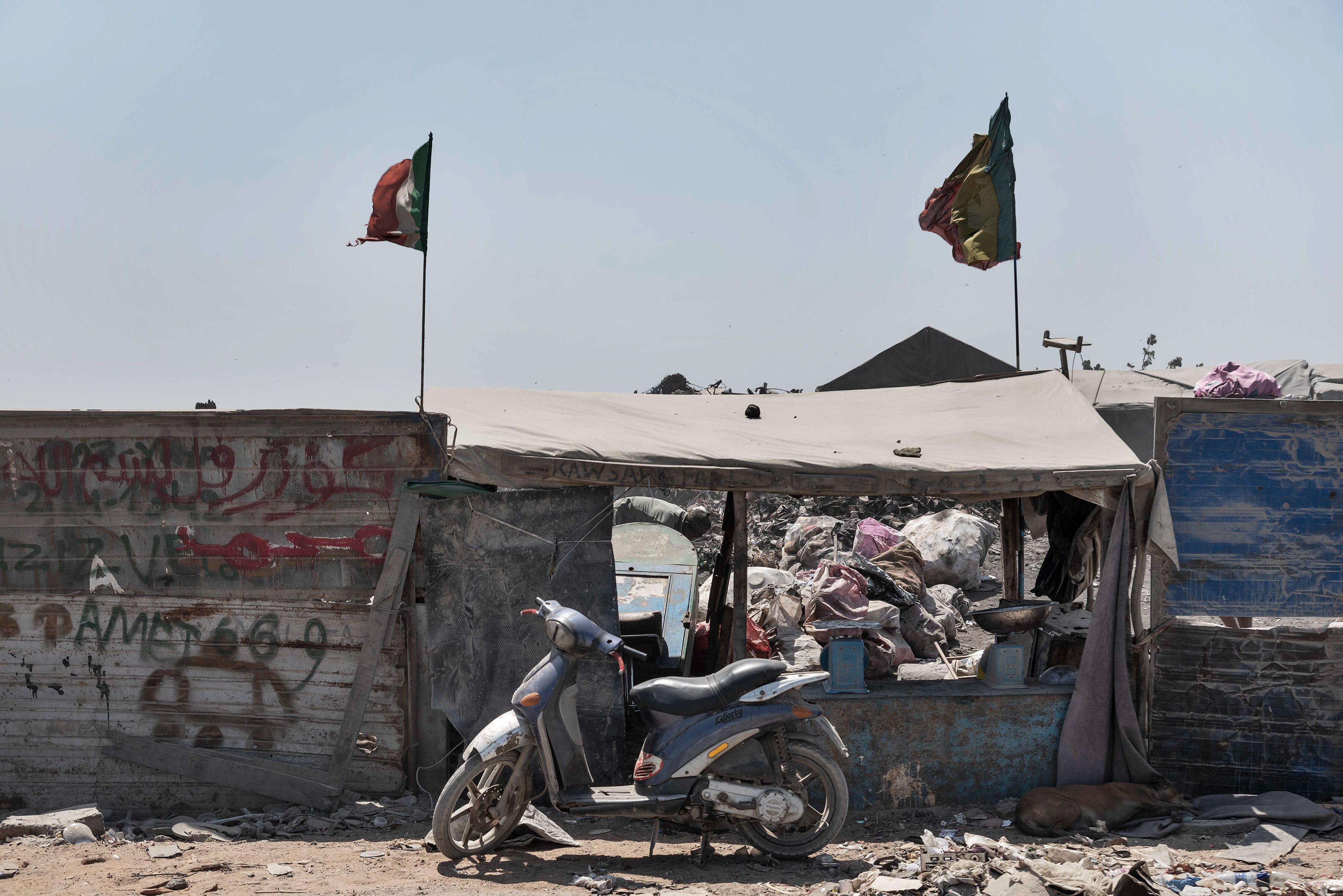
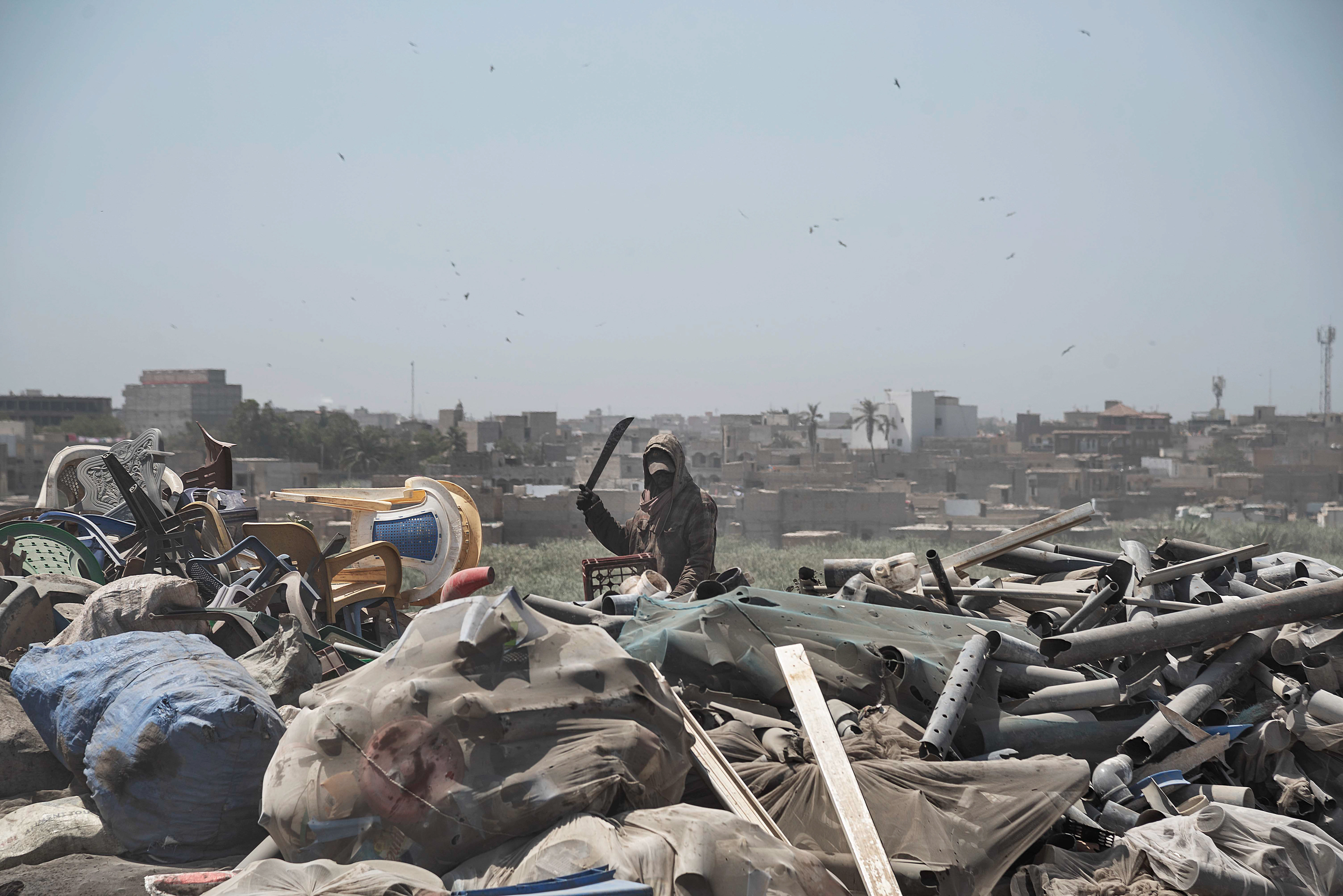
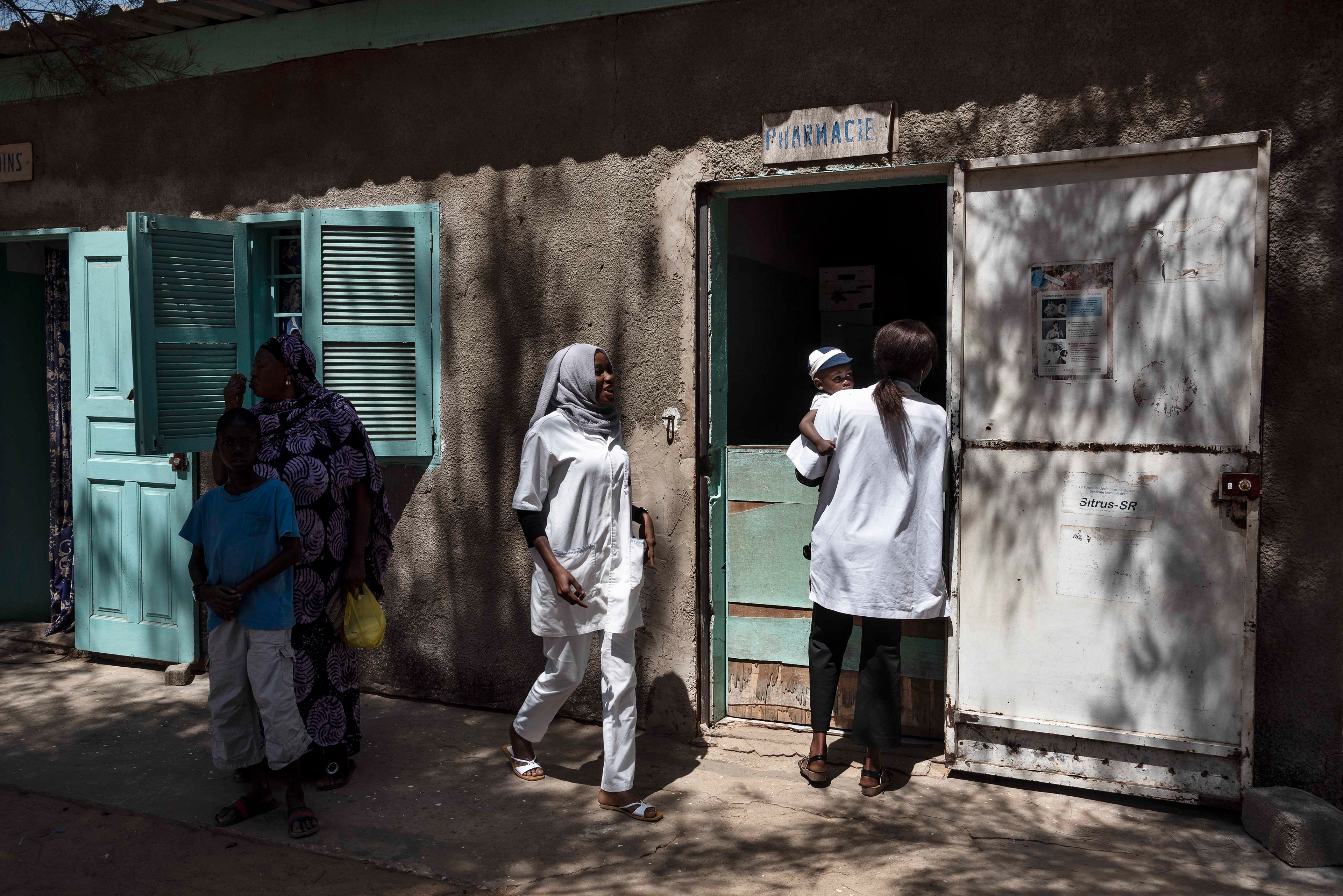
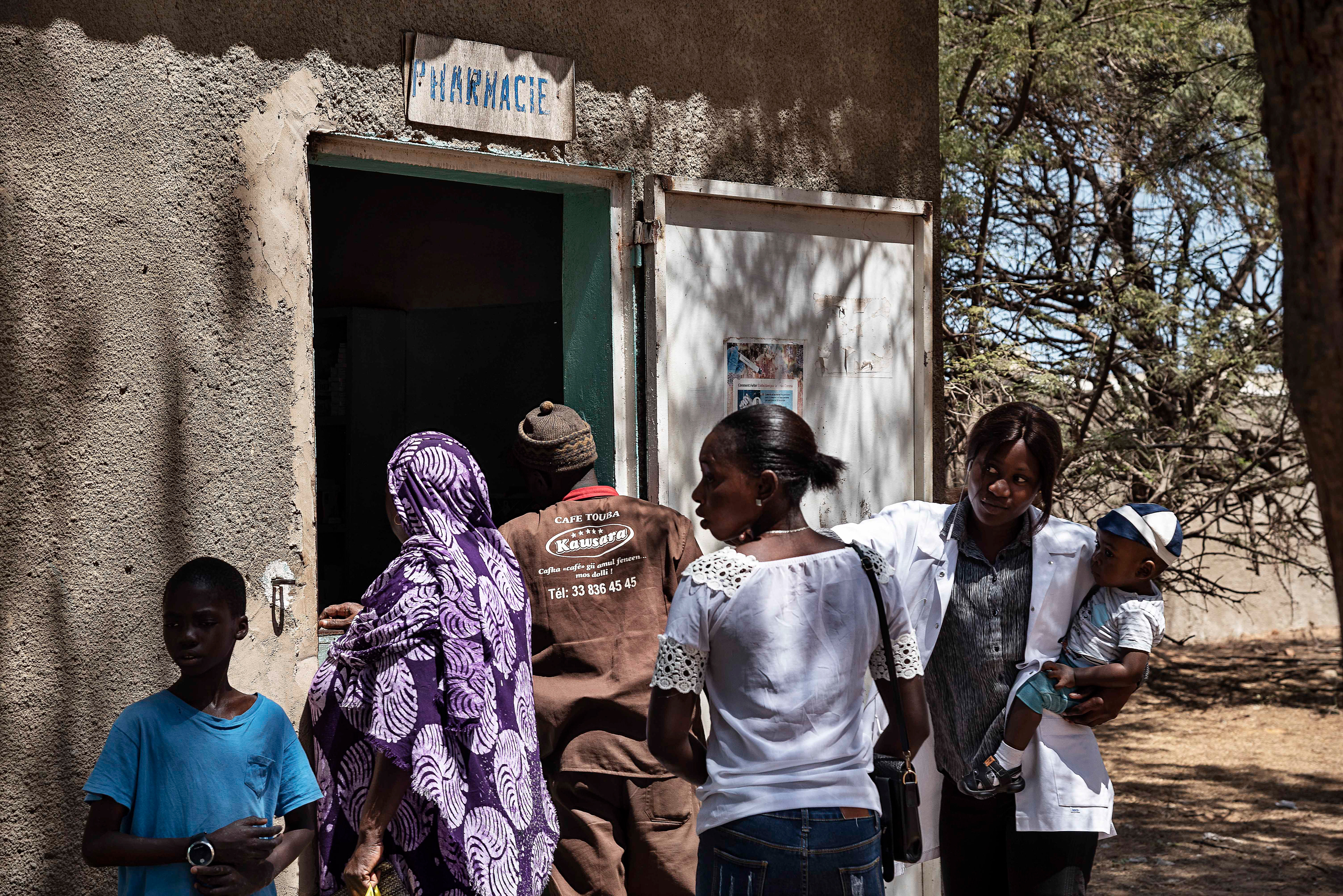
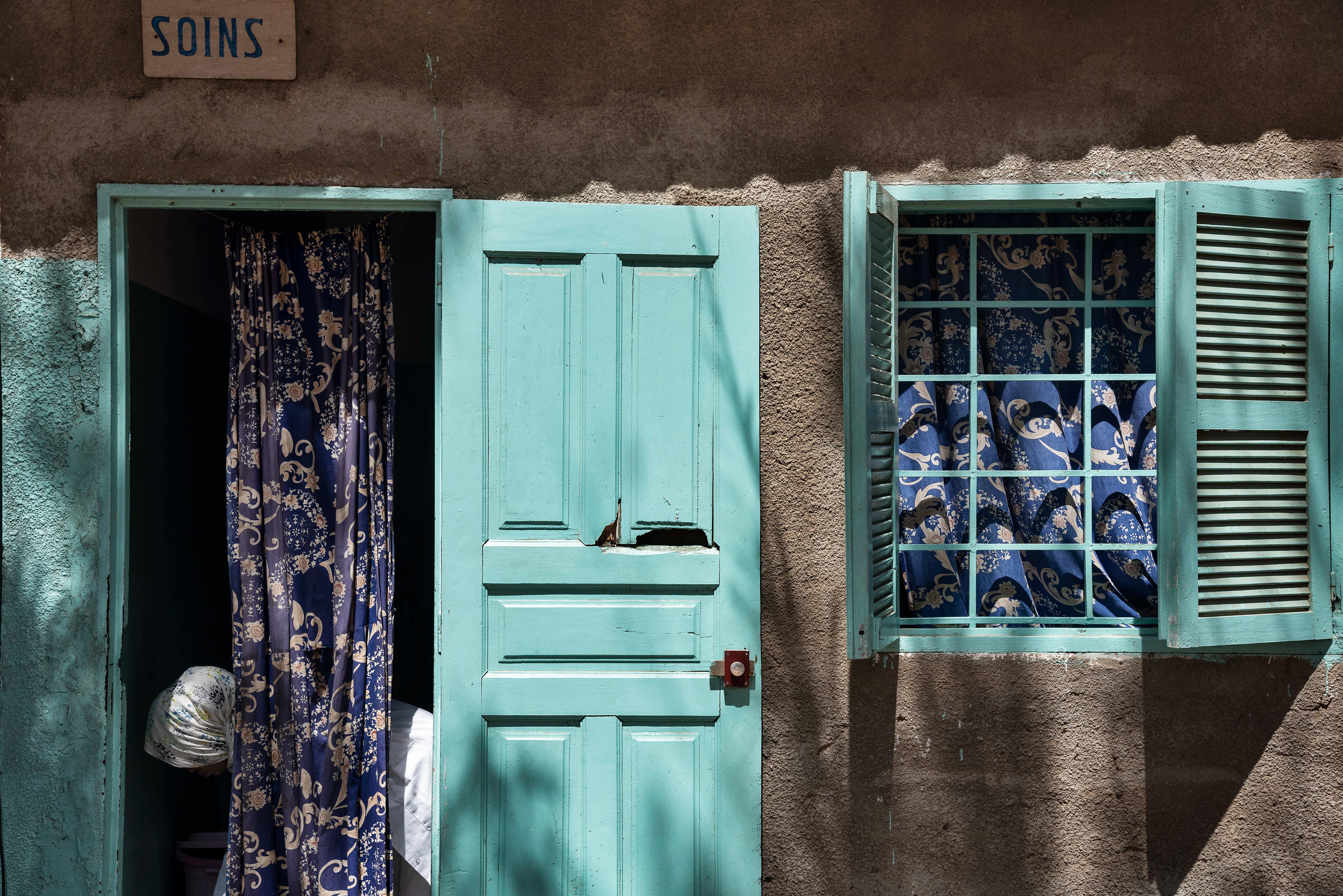
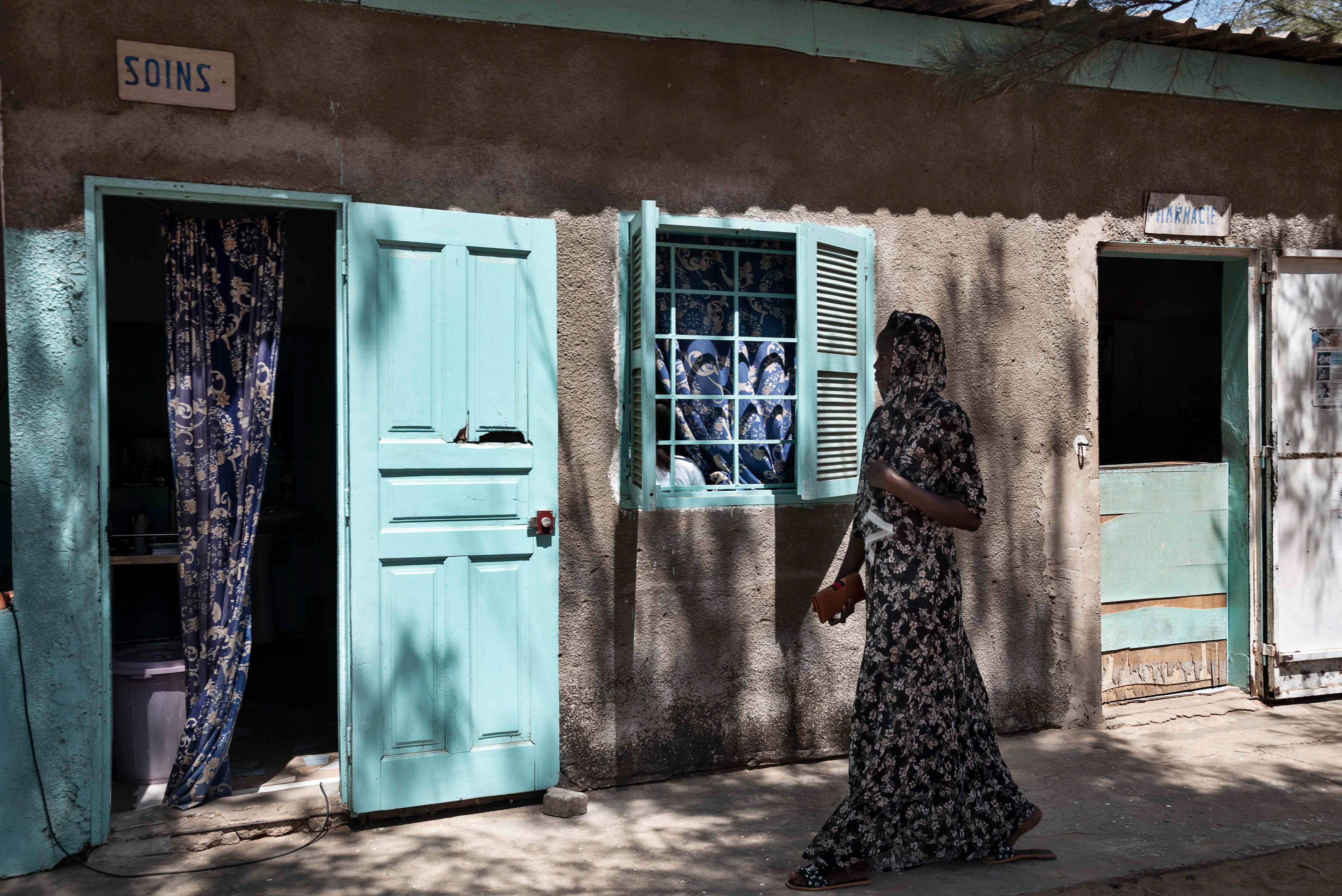
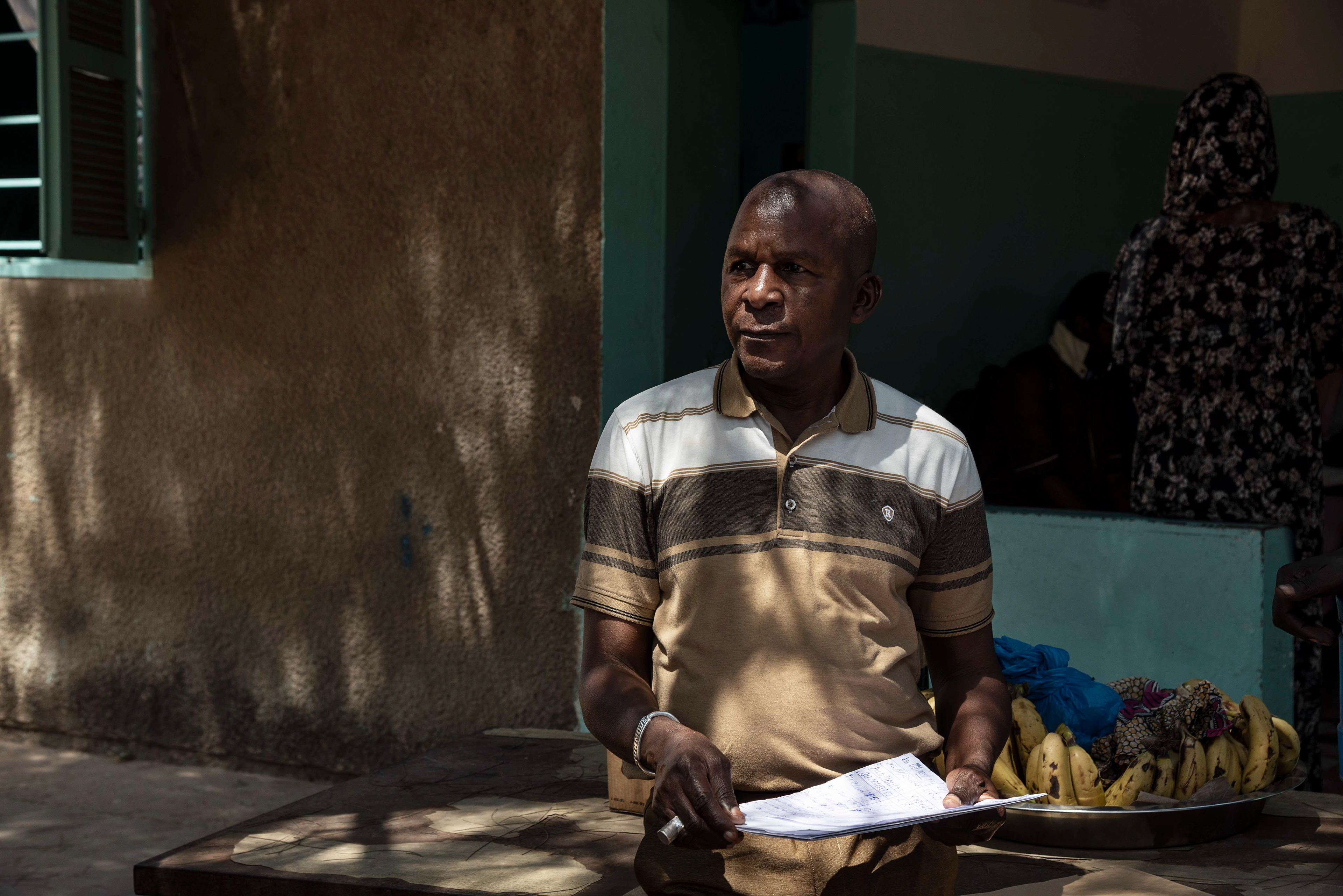
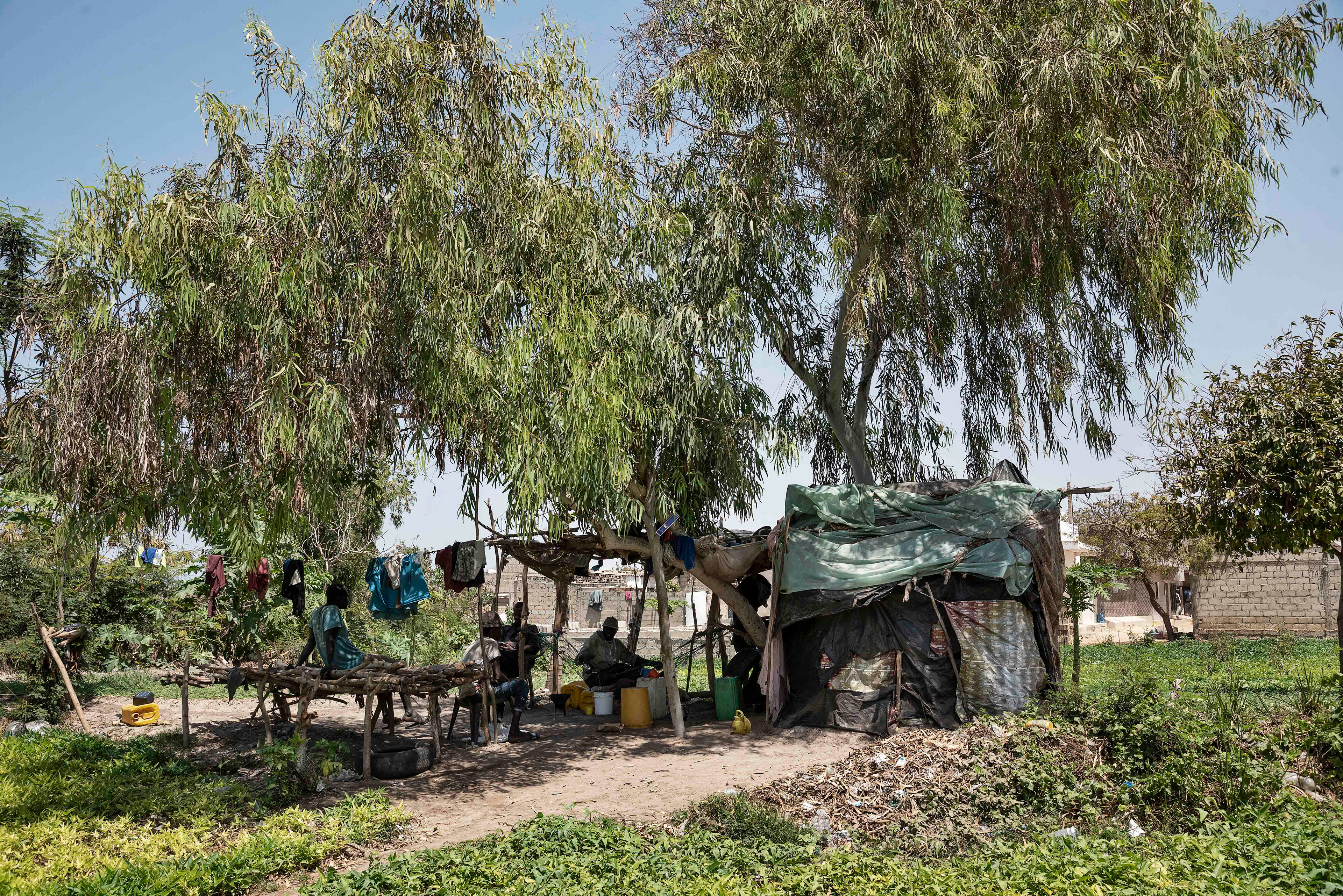
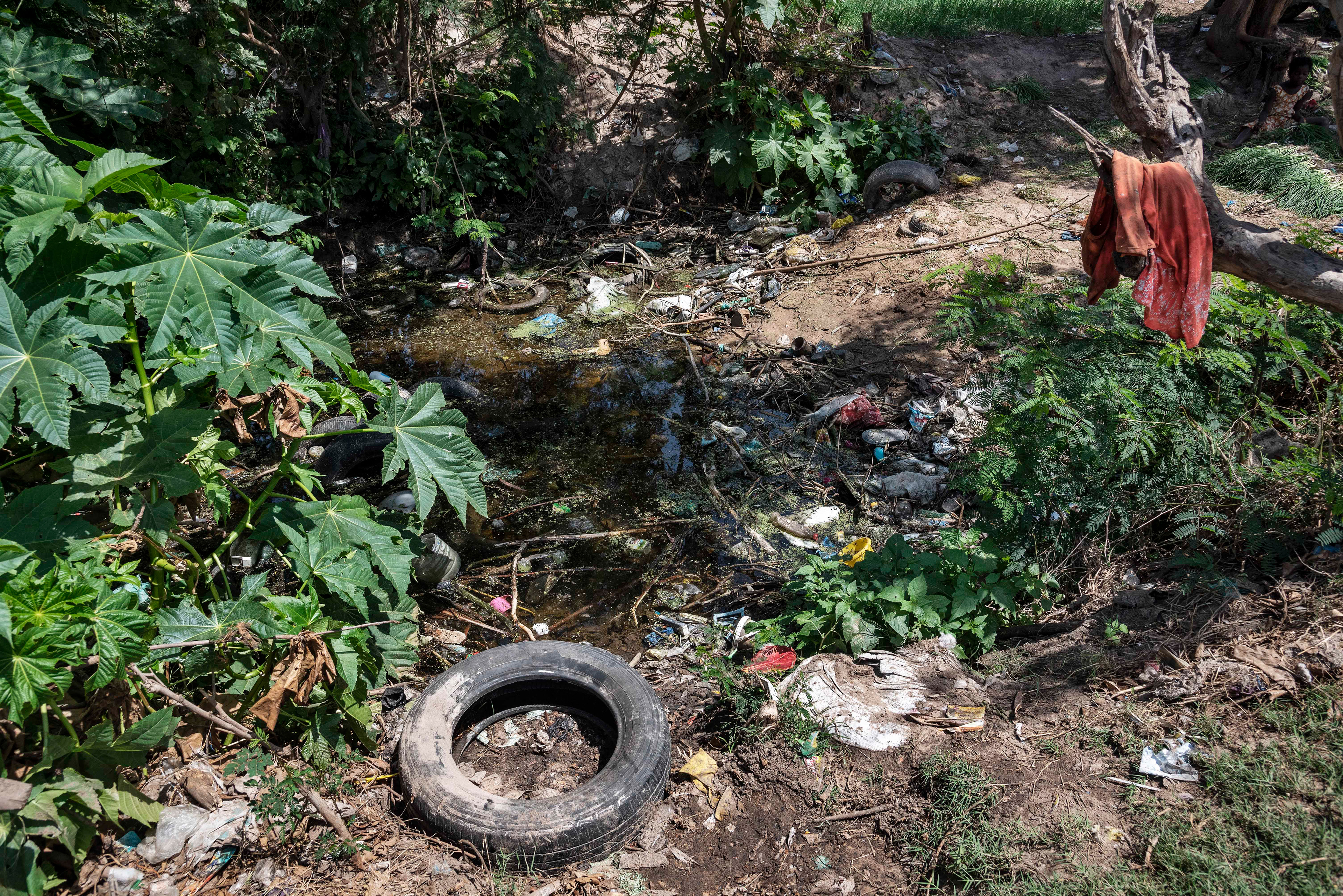
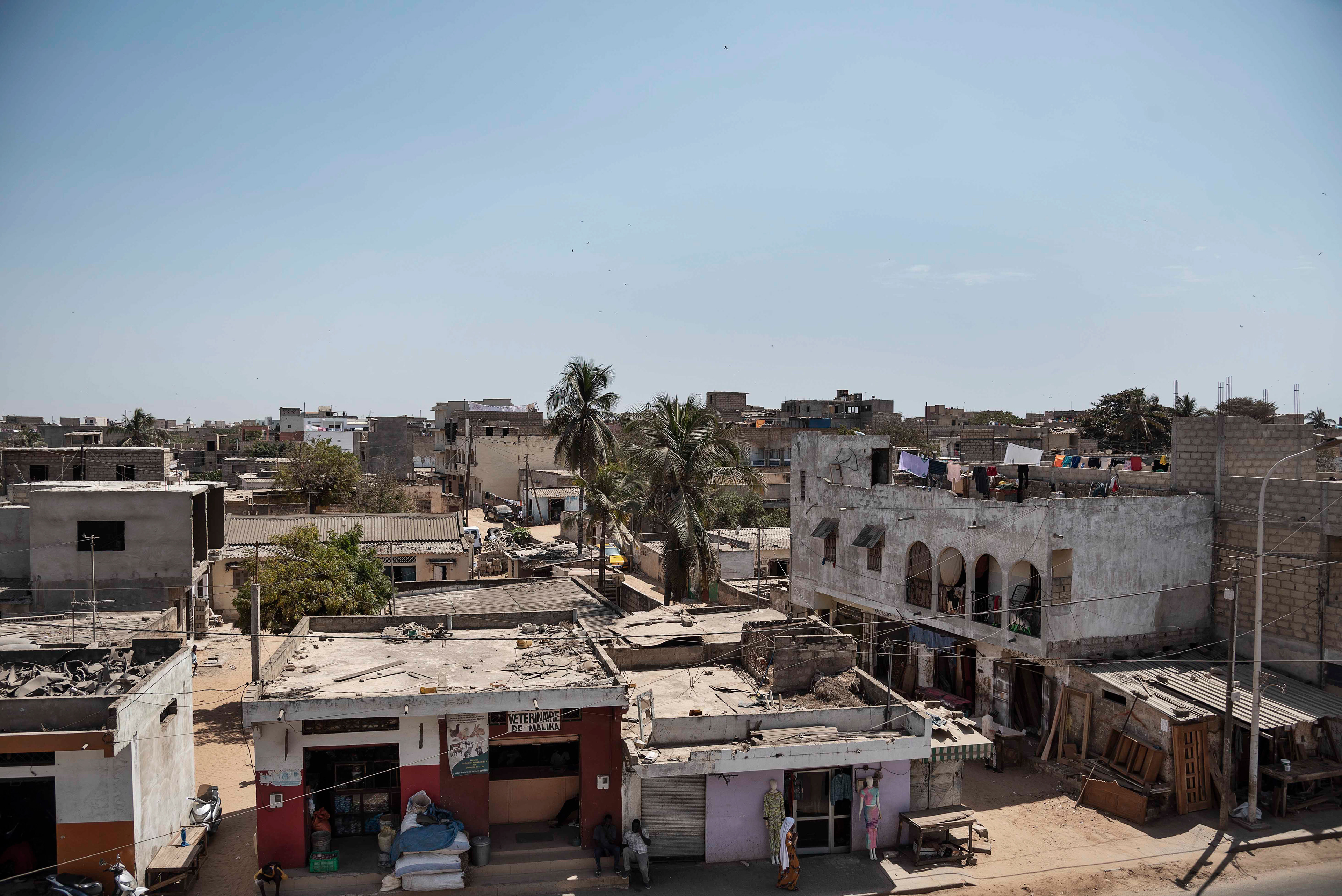
This land stands between dust and sun. Plastic debris, iron rubble and food waste extend for more than 170 hectares. The Mbeubeuss landfill looks like a smoke-blackened lung: the smoke of compostable material, waste incinerated by fires, sandy dust and exhaust fumes from garbage lorries that, every hour, contribute to raising these hills of waste. Its infinite alveoli are the informal homes of hundreds of people and families residing in this perimeter of dust and gas. Since its opening in 1968, more than 250 lorries enter the landfill site pouring an average of 1300 tonnes of waste every day. With 475,000 tonnes of waste piled up every year, Mbeubeuss has engulfed the coastal ecosystem, consumed the land, polluted the aquifer channels connected to nearby towns and jeopardized economic activities such as livestock breeding and agriculture. For 75% of the inhabitants in the neighbouring municipalities of Malika and Keur Masseur, the water is contaminated with lead and 90% of the livestock is contaminated with toxic dioxins, mercury and other carcinogens. The fires that break out in the landfill spread toxic clouds that not only threaten the health of those who work and live among this waste, but also flow for more than 5 km towards the towns outside the dumpsite. However, along with the environmental damage, a second reality emerges within this land. Today, more than 1,800 people informally work in the dump. 500 of them, and about 200 children, reside permanently inside the landfill. Every day, trucks make their way through hills of plastics and metal, unloading thousands of tons of solid and undifferentiated waste in three macro-settlements: Baol-Baol, Gouye-gui and the main corridor. From here, waste is piled on platforms where the younger wastepickers, the boudioumane, sort and collect waste. It will then be resold to boroom-pakk, local wholesalers who accumulate waste for reselling it outside the dump. Other figures are the women in the landfill, who wash the waste from dust and dirt; boroom-charettes, waste transporters who travel the dump's roads in horse-drawn carts, and the female caterers, who sell and cook food, water, and café touba to the recuperators on break. On 24 June 2021, the World Bank and the Government of Senegal inaugurated the Promoged project to restore the environment and improve public health by installing waste disposal and a composting centre. Promoged is essential to revitalise the coastal ecosystem in the east of Dakar, to stop environmental degradation by boosting sustainable development in the area and to tackle human health risks caused by air pollution and water contamination.